Farmers Market vs. Specialty Food Shop: Where to Buy Local Products
Saturday morning, and there is a choice to make: the market square with its folding tables and wooden crates, or the small shop on the corner with the chalkboard and the neatly labelled shelves. Both claim to sell local food, and both are usually telling the truth. The difference lies in what happens between the field and your kitchen — how quickly the food reaches you, what it costs, and how close you get to the person who grew, raised or made it. Once you understand what each source does well, you stop guessing and start buying better.
Two routes from the same field
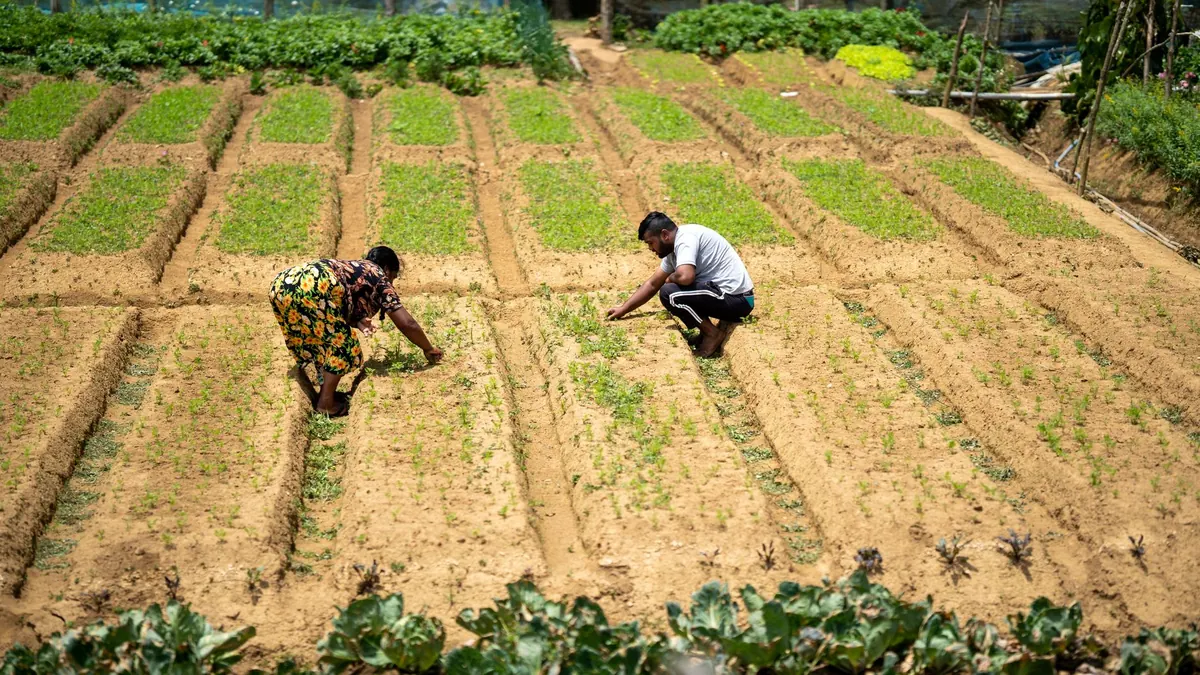
A farmers market is a short chain. The person at the stall is often the grower, the baker or someone who works directly with them. Stock reflects the week: what ripened, what the weather allowed, what the herd produced. That means real seasonality, and also gaps. One week there is more courgette than you can use; the next, the stall is thin because a storm flattened the salad bed.
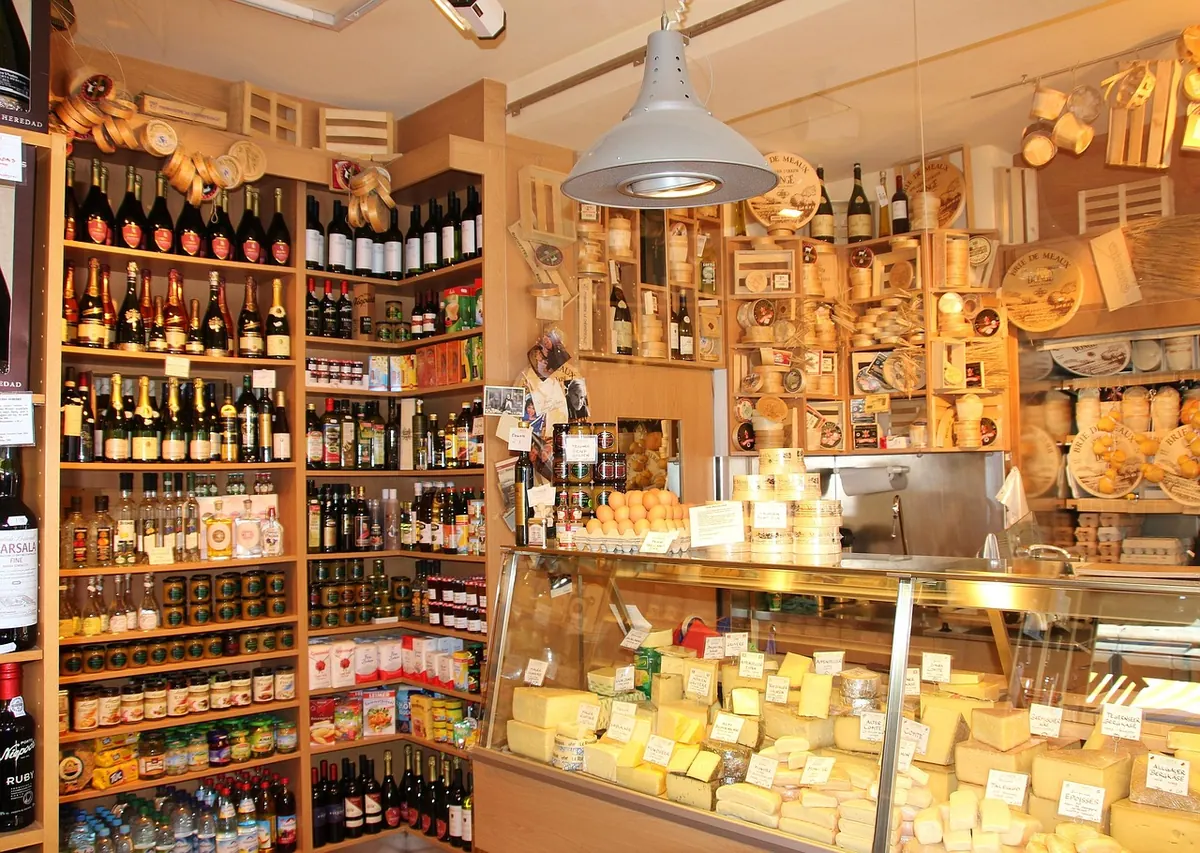
A specialty food shop is a longer chain with more hands in it. The owner buys from many producers, chooses what fits the shop's character, stores it properly, prices it and sells it. You pay for that work, but you also get fixed opening hours, a roof, card payments and a range that does not depend on a single harvest. Neither model is more authentic. They answer different needs.
Freshness is about timing, not the format
Markets have a structural advantage with anything that fades fast: soft fruit, salad leaves, herbs, sweetcorn, peas, tomatoes that were picked ripe rather than picked hard and ripened in transit. If the grower lives twenty minutes away, the gap between field and table can be measured in hours. That is the whole point, and it is worth protecting by shopping early — the best trays go first, and produce that has sat in afternoon sun loses its edge.
Ask before you buy. "When was this picked?" and "Is this from your own land?" are fair questions, and good sellers answer them plainly. A vague answer is information too.
Where shops can be fresher than you expect
Plenty of specialty shops buy twice a week from nearby farms and keep produce cold properly. The display tells you a lot: cut surfaces that look dry, wilted stems, cheese wrapped tightly against its own sweat. But remember that freshness is not always the goal. Aged cheese, cured meat, sourdough cooled on a rack and jars of preserves are all better for the wait. Judge each product by what it is trying to be.
Variety: each source has its own edge
This is where the two models diverge most, and where knowing your own shopping habits pays off.
- Markets excel at: unusual varieties you will not find on a supermarket shelf, small quantities, whatever is at its peak this week, and produce sold by the crate for preserving.
- Shops excel at: consistency, shelf-stable local products such as oil, vinegar, flour, pasta, honey and preserves, plus the ability to fill a basket in one stop.
- Markets struggle with: pantry staples, out-of-season local produce, and reliability — a stall can vanish for a fortnight.
- Shops struggle with: true peak-season abundance, prices that reflect a single farm's good week, and the sheer surprise of a table full of something you have never cooked.
A market shows you what your region actually tastes like in a given month. A shop covers the gaps around that, especially the cupboard items that a vegetable stall will never carry.
Price: what the difference actually buys
It is a common assumption that markets are always cheaper because there is no distributor in the middle. Sometimes that holds. Often it does not, because small volumes, hand-picking, stall fees and the risk of a wasted crop all sit inside the price. What markets do offer is flexibility: buy a whole crate and the per-kilo cost usually drops, slightly bruised fruit is fine for sauce, and the last hour of trading is a reasonable moment to ask about a deal on what is left.
Specialty shops carry the cost of selection, storage, staff, rent and waste. You are paying for someone else's editing, and good editing is worth money when it saves you from a bad bottle of oil. Compare unit prices where you can, and compare like with like: a jar of local honey from a shop and one from a beekeeper's stall may differ in price for reasons that have nothing to do with quality.
Producer access: conversation versus curation
A market hands you the producer directly. You can ask what is coming next week, how to cook an unfamiliar green, whether the fruit was sprayed, and whether they will bring a box of seconds for jam. You can also give feedback, which is how a grower learns that the tomatoes were too ripe for the Saturday crowd. That exchange is the real luxury of a market, and it costs nothing.
Shops offer a different kind of access: a shortcut through dozens of producers you would otherwise never meet. A good shop assistant has tasted everything on the shelf and can tell you which oil is peppery, which cheese is made with raw milk, and why the pasta is worth the extra euro. Ask "who makes this and why did you choose it?" The answer separates a genuine specialty shop from one using rustic lettering as decoration. A label should name the producer and the place.
Match the source to the job
- Dinner tonight, salad and tomatoes: the market, early, from the grower who picked this morning.
- The weekly pantry restock: the shop, where oil, flour, pasta and preserves sit together.
- A gift for someone who cooks: the shop, for packaging, advice and a coherent selection.
- An unfamiliar variety or a new cheese: the market, and buy small the first time.
- A batch of passata or jam: the market, by the crate, and order ahead so the grower brings enough.
- Rain, a late finish, no time to browse: the shop. Convenience is a legitimate reason.
A routine that uses both well
Go to the market with cash, a sturdy bag and a rough plan rather than a rigid list; buy what looks best and adjust the week's cooking around it. Ask one question at every stall you use regularly, and note in your phone which grower had the best peaches in June. Buy your cupboard staples — the oil, the vinegar, the dried pasta — from a specialty shop and ask them to order a case if you use a lot. If your budget is tight, keep a running total in your head at the market, since small purchases add up faster than a single shop receipt, and treat the shop as the place for a few good things rather than everything.
Photo: holzijue / Pixabay
You Might Also Like
A practical guide to building your own day route through local markets, small producers and craft workshops, with realistic timing, tasting tips and a schedule that survives real life.
A practical checklist of questions to ask a local artisan about materials, timelines, pricing, and revisions before you commission custom work.