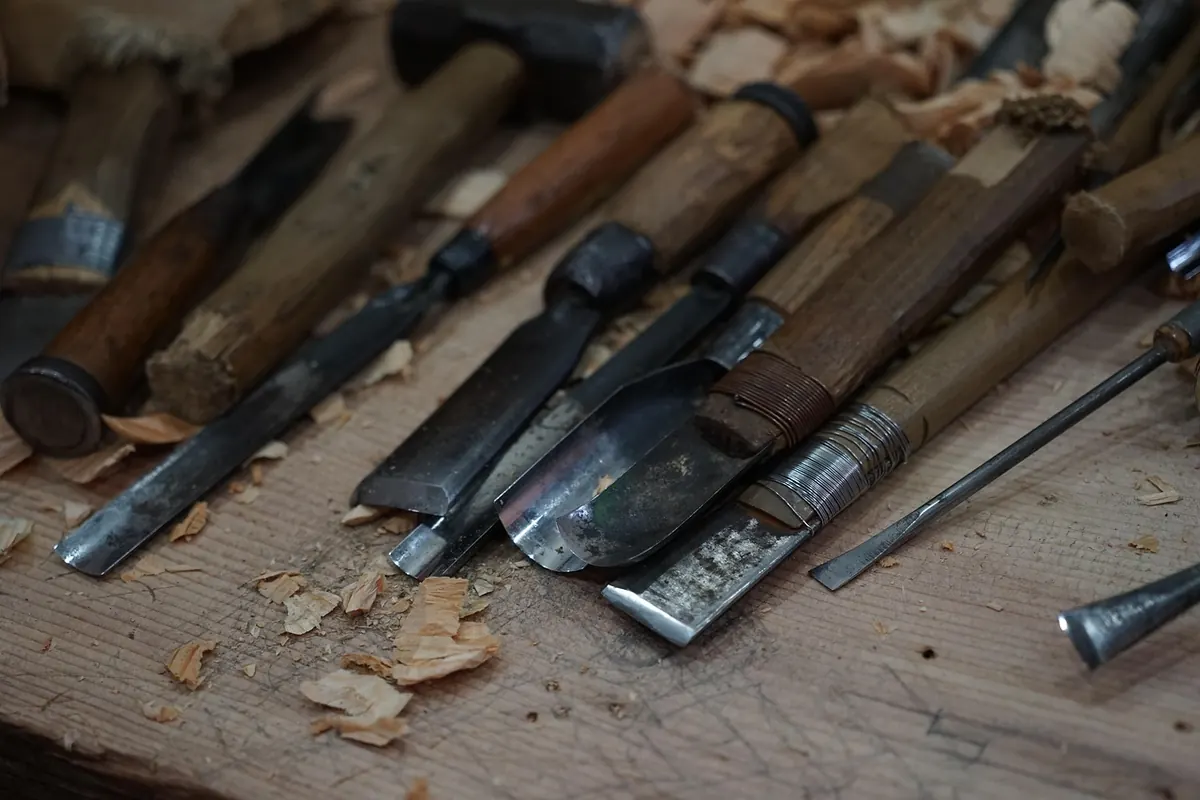
How to Commission Custom Artisan Work: Questions to Ask Before You Order
The table you keep imagining doesn't exist yet. You saw a maker's work at a market in town — a stool with a hand-cut joint, a bowl whose glaze shifts from grey to green in the light — and you have been thinking about it since. Now you want something made for your own kitchen, sized for a corner no shop-bought piece will fit.
That is a good place to start, but the object is only half the job. The other half is the conversation before the first cut, and it is where most disappointments begin. Not because artisans are unreliable or buyers are difficult, but because two people with different pictures in their heads assumed they were discussing the same thing. A few direct questions, asked early and without apology, prevent nearly all of it.
Start with how the maker works, not with what you want
Before you describe your dream bench in detail, ask how the workshop runs. Does the maker work alone? How many commissions are open at once? Is there a waiting list, and where would you sit on it? Someone who produces in batches of twelve might slot you in quickly but with less room for changes; someone who takes one commission at a time may give you more attention and a longer wait.
Then ask what they need from you. Some makers want a rough sketch and a photograph of the room in daylight. Others want exact measurements, a material sample, or the dimensions of the doorway the piece must pass through. A maker who asks you careful questions is usually a maker who works carefully — answer fully, and send more reference than you think necessary. A swatch photographed under a kitchen light is worth three paragraphs of description.
Materials: what it is, where it came from, and how it ages
This is where a commission becomes specific. For timber, ask the species, whether it is locally sourced, whether it has been properly dried, and how the grain is likely to move as the seasons change. For ceramics, ask about the clay body, the glaze, whether a piece is food-safe, and how it behaves in a dishwasher. For textiles, ask about fibre, dye, and how much the piece will shrink on the first wash. For leather, ask about the tannage and whether the colour will darken.
Then ask the question most buyers forget: what does this look like in ten years? A wax finish on oak will need refreshing; an untreated surface will mark. Neither is a fault, but you should know which you are choosing. If two options are close in your mind, ask what the maker would pick for your use and why. And ask whether you can see a sample — a glaze tile, a finish board, an offcut. Most workshops will show you.
Timelines: ask for the schedule, not just a date
Ask when work would begin, what happens in between, and which stage is most likely to slip. Drying time, kiln space, a supplier's delivery, a busy season at the market — all of these are real, and a good maker will name them without being prompted. Then ask for the date they would be comfortable promising, rather than the one you most want to hear.
If you have a fixed occasion, say so plainly and say it early. An anniversary in June is a different commission from "sometime this spring". Also settle the last mile: who arranges delivery, who pays for it, what packaging is used for something fragile, and what happens if a corner arrives chipped.
Pricing: what the figure includes, and what it doesn't
A single number is not a quote until you know what sits inside it. Work through the details in writing, even if it is only a friendly email you both keep:
- Does the price cover materials and labour together, or are they counted separately?
- Is design or drawing time charged on its own?
- What deposit is expected, what share of the total is it, is any of it refundable, and does it come off the final balance?
- Are delivery, packaging, installation and tax included?
- What does a change cost once work has started — and does that differ from a change made before?
- How much more or less is the alternative material you were considering?
- What is the payment schedule: deposit, midpoint, on collection?
Vagueness here is worth noticing. A maker who cannot or will not put essentials in writing is a risk you do not have to take. Where a commission is a significant sum for you, it is sensible to get proper advice on the terms before signing anything.
Revisions: how many, at which stage, and at whose cost
Ask to see the drawing or design before material is cut, and ask how many rounds of adjustment you get at that stage. Two or three is common; unlimited is not. Then ask what is realistic afterwards. Taking a millimetre off a joint or adjusting a glaze is one thing; changing the depth of a shelf once the carcass is glued is another, and someone has to pay for the discarded work.
For anything worn or fitted — a ring, a garment, a pair of boots — ask about sizing and adjustments, and who covers the cost if the first fit is slightly off. For furniture, ask how the piece is finished on site and whether it needs anything from you on arrival, such as a day to acclimatise or a coat of oil.
Ask the awkward questions too
What happens if you cancel halfway? What if the maker falls ill or the kiln misfires? What counts as a flaw rather than the character of handwork — a hairline in a glaze, a knot in the wood, a slightly uneven edge? Ask how repairs work, how long they take, and whether the maker keeps photographs or measurements of the piece so a repair can be matched later.
None of this is distrust. A maker who has thought these things through will answer easily, and the answers tell you a great deal about how the project will feel six weeks in.
A short checklist before you pay a deposit
When you have your answers, summarise them in one message and ask the maker to confirm. It takes five minutes and heads off most disputes.
- The finished dimensions, material and finish, in writing.
- A reference image or drawing you both agree on.
- The total price, what it includes, and the payment schedule.
- The deposit amount and its refund conditions.
- A start date, a delivery date, and the buffer between them.
- How many revision rounds you get, and at which stages.
- Delivery, packaging, and what happens if the piece arrives damaged.
- Care instructions and how to reach the maker afterwards.
Commissioning is a collaboration with a person, not a transaction with a shop, and it rewards the buyer who asks plainly. If the conversation feels easy and the answers are specific, that is usually the best sign you will get that the piece in your kitchen will match the one in your head.
Photo: RUINS / Pixabay

You Might Also Like
A practical guide to building your own day route through local markets, small producers and craft workshops, with realistic timing, tasting tips and a schedule that survives real life.
Farmers markets win on freshness and producer contact; specialty shops win on variety, convenience and curation. Here is how to choose the right source for each purchase.