How to Build a Local Italian Food Gift Basket: Step-by-Step Guide
Most gift baskets fail in one of two ways. Either they look beautiful and contain nothing anyone actually wants to eat, or they are full of good things and arrive as a box of crumbs, leaked oil and cracked glass. Building one yourself solves both problems, and it lets you give something that tastes like a specific corner of Italy instead of a generic "Italian" theme. The method below is the one worth repeating: choose carefully, balance deliberately, pack properly.
Begin With What Survives the Journey
Before anything goes in the box, it has to pass one test: it can sit at room temperature for a week or more and survive being tipped on its side. That single rule eliminates most of the tempting items and keeps the basket honest.
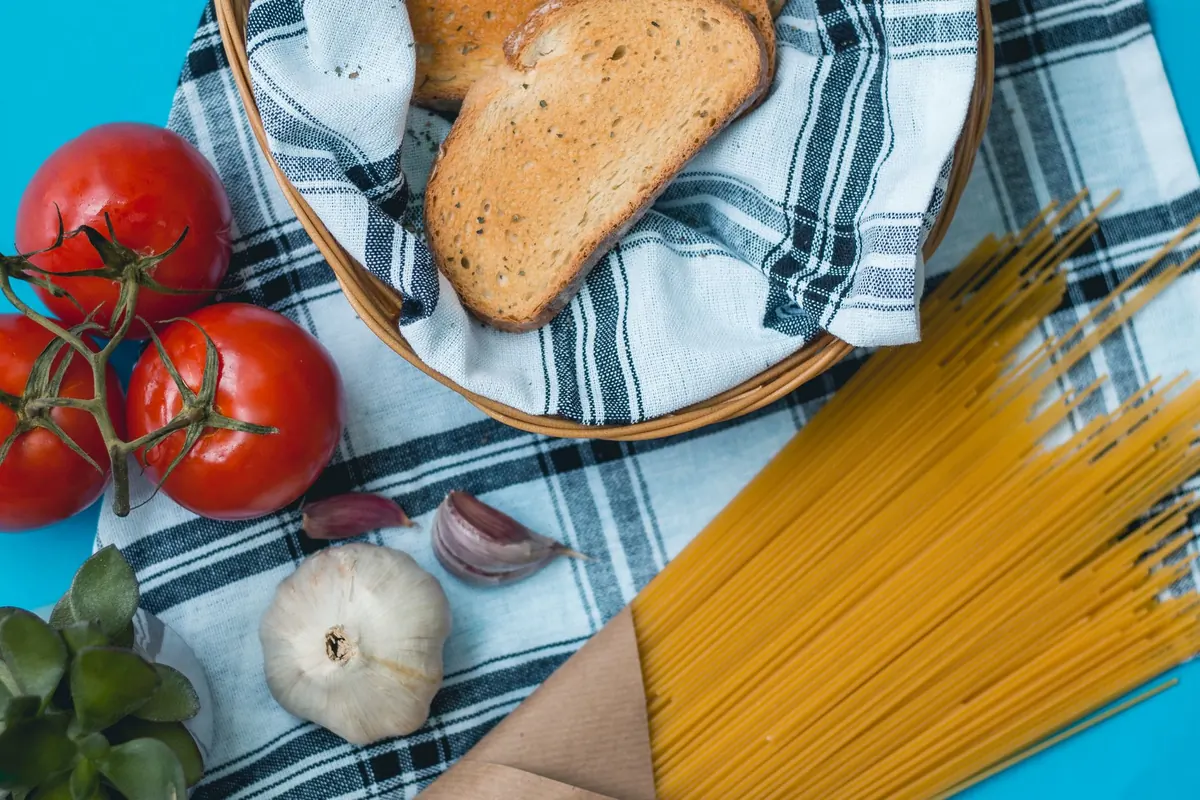
Whole pieces of aged cheese travel well — Parmigiano Reggiano, Pecorino Romano, aged Asiago, a firm goat cheese — especially if you keep them wrapped and cool until the moment of delivery. Whole cured meats beat sliced ones: a vacuum-sealed salami, a piece of guanciale, a wedge of coppa will not dry out or crush. Jars and tins are reliable workhorses: olive oil, good vinegar, honey, jam, mostarda, preserved artichokes, tuna or anchovies in olive oil, tomato passata. Dry goods fill out the basket cheaply and beautifully: dried pasta, carnaroli rice, farro, lentils, taralli, grissini, cantuccini, amaretti, whole coffee beans, dried porcini, almonds.
Leave out fresh bread, soft or fresh cheese, cream-filled pastries, and anything with a short best-by date. Skip items that can leak in a warm car — olives packed in brine are riskier than the same olives in oil. And avoid anything that needs refrigeration the moment it is opened if you want the basket to sit under a tree for a few days.
Read the labels the way a buyer would
Look for at least three months of shelf life remaining, not three weeks. Prefer short ingredient lists; a jar of peppers that lists peppers, oil, vinegar and salt will usually taste better than one with a paragraph of additives. Check seals and lids, and give every jar a quick twist before buying. A basket built from discounted near-date stock is a basket that gets thrown out in February.
Choose One Region and Stay Loyal to It
The baskets people remember have a point of view. Pick a region or even a province, then let three-quarters of the contents come from there. Puglia suggests olive oil, taralli, passata, dried orecchiette, almonds, a jar of turnip tops. Piedmont suggests carnaroli rice, hazelnuts, gianduiotti, grissini, a small bottle of Barbera. Sicily brings pistachios, capers packed in salt, tuna in oil, dried oregano, citrus marmalade. Emilia-Romagna gives you Parmigiano, balsamic, prosciutto, tortellini to be cooked. Lazio offers pecorino, guanciale, dried pasta, and a jar of artichokes.
Once the core is set, add one or two outsiders as accents — a coffee from a different region, a bar of dark chocolate, a jar of honey from somewhere else entirely. The result reads as a considered selection rather than a supermarket sweep, and it gives you something to write about on the card.
Balance Flavors and Textures Before You Think About Ribbon
A basket of nothing but salty, savory things becomes monotonous by the third bite. Build to a set of roles rather than a pile of favorites.
- Something salty and savory: cured meat, aged cheese, anchovies, olives.
- Something rich: a jar of honey for the cheese, mostarda, almond cream, a small wedge of very aged cheese.
- Something acidic: pickled vegetables, artichokes in oil with lemon, a bottle of good vinegar.
- Something sweet: cantuccini, amaretti, jam, chocolate.
- Something crunchy: taralli, grissini, roasted nuts, seeds.
- Something to drink: coffee, a bottle of wine, a small bottle of amaro or vermouth.
Texture needs the same attention. If every item is either hard or jarred, the basket feels heavy; add something chewy such as dried figs or a fruit mostarda. Put something crisp in its own paper bag so it does not go soft against a cheese rind.
Then make the connections obvious. Cantuccini next to a bottle of Vin Santo, honey sitting beside the pecorino, a jar of passata with the dried pasta it belongs to. The recipient should be able to see the meal you had in mind, not just the ingredients. That is the difference between a gift basket and a shopping bag with a bow on it.
Design the Basket for the Trip
Weight is the first enemy. A basket that takes two hands to lift will be expensive to ship and awkward to carry home. Aim for something in the region of a sturdy tote bag, and let one heavy anchor — a bottle of oil or wine — do the work while lighter items fill the space around it.
Glass is the second enemy. Choose jars and bottles that are wider than they are tall, wrap each one individually, and never let two of them touch. If a bottle breaks, the oil will soak through paper and cardboard, so line the base with a plastic bag or a coated liner. Choose a rigid box over a woven basket for anything shipped; if you want the basket look, put the box inside the basket at delivery.
Temperature matters more than most people expect. Cured meat and hard cheese tolerate a cool journey of a day or two, but not a hot van. In summer, favor shelf-stable jars and dry goods over dairy and charcuterie, and hand-deliver rather than ship. If the basket is crossing a border, check the destination's import rules for meat, dairy and alcohol before you buy anything — they vary widely and are often stricter than expected.
Packing It, Step by Step
- Line the base of the box with a tea towel, a sheet of tissue or a folded cloth bag. It doubles as padding and as part of the gift.
- Place the heaviest items on the bottom, centered and flat, so the weight sits over the base rather than the sides.
- Wrap each jar and bottle separately in paper or bubble wrap, tape the wrap closed, and stand them upright.
- Add dry goods around them, pressing gently so nothing shifts. Shake the box lightly — if you hear movement, add more paper.
- Put crumbly or fragile items on top, in their own small paper bag, and use the remaining gaps for a bag of coffee or a bar of chocolate.
- Slide the card down the inside edge where it will be seen immediately, then close the lid.
- Tape the seams, write the address on the box itself rather than only on a label, and mark which way is up.
Do a dry run a day before. Pack the basket, carry it around the house, then unpack it. Anything that has shifted, smudged or dented gets repacked or replaced.
The Touches That Make It Personal
Write the card like a short menu, not a greeting. Name the region, then list three or four pairings: shave the pecorino over the pasta, warm the taralli for two minutes, dip the cantuccini in the Vin Santo. Two sentences are enough, and they turn a box of products into an invitation. A handwritten list of what is inside also helps the recipient plan, and stops the good olive oil from sitting unopened for a year out of uncertainty.
Timing is part of the gift too. A basket built around preserved tomatoes and dried pasta makes more sense in October than in July; in high summer, lean on olive oil, vinegar, honey, tuna and biscuits. If you want to add a non-food item, keep it useful and local: a tea towel, a small ceramic dish, a wooden spoon.
Your First Basket, This Weekend
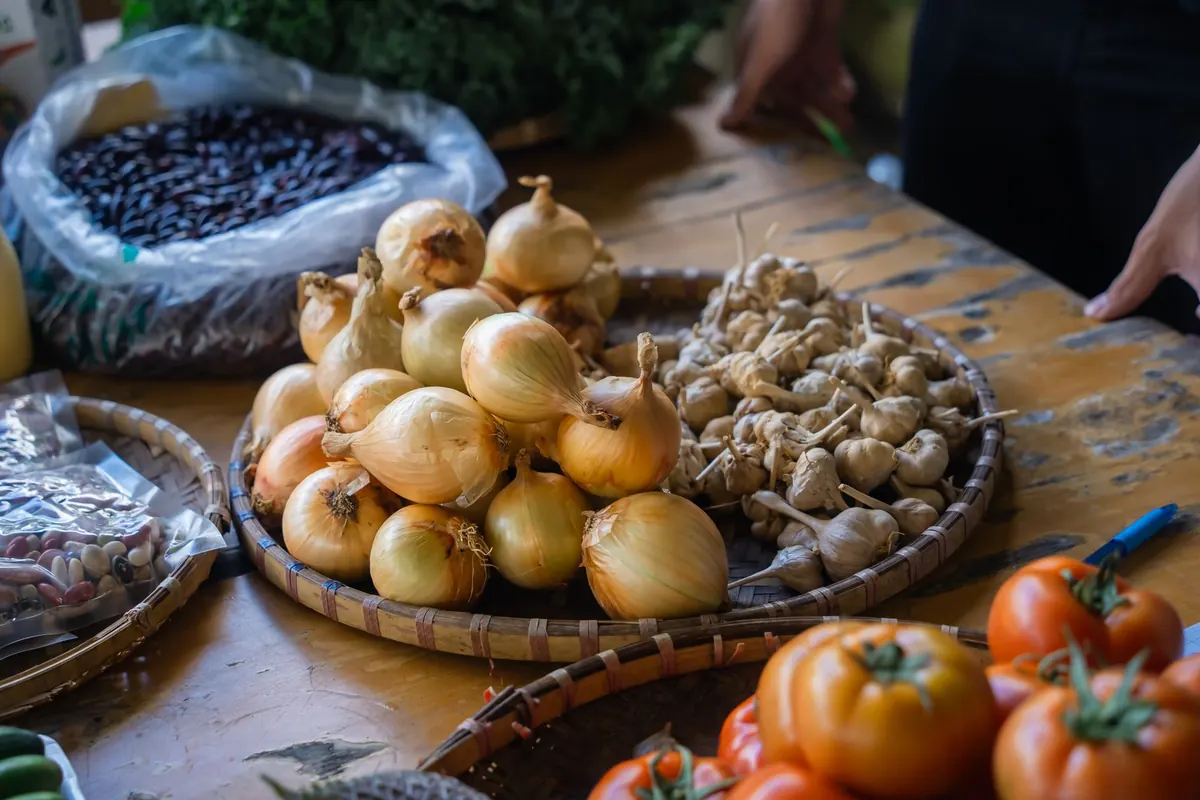
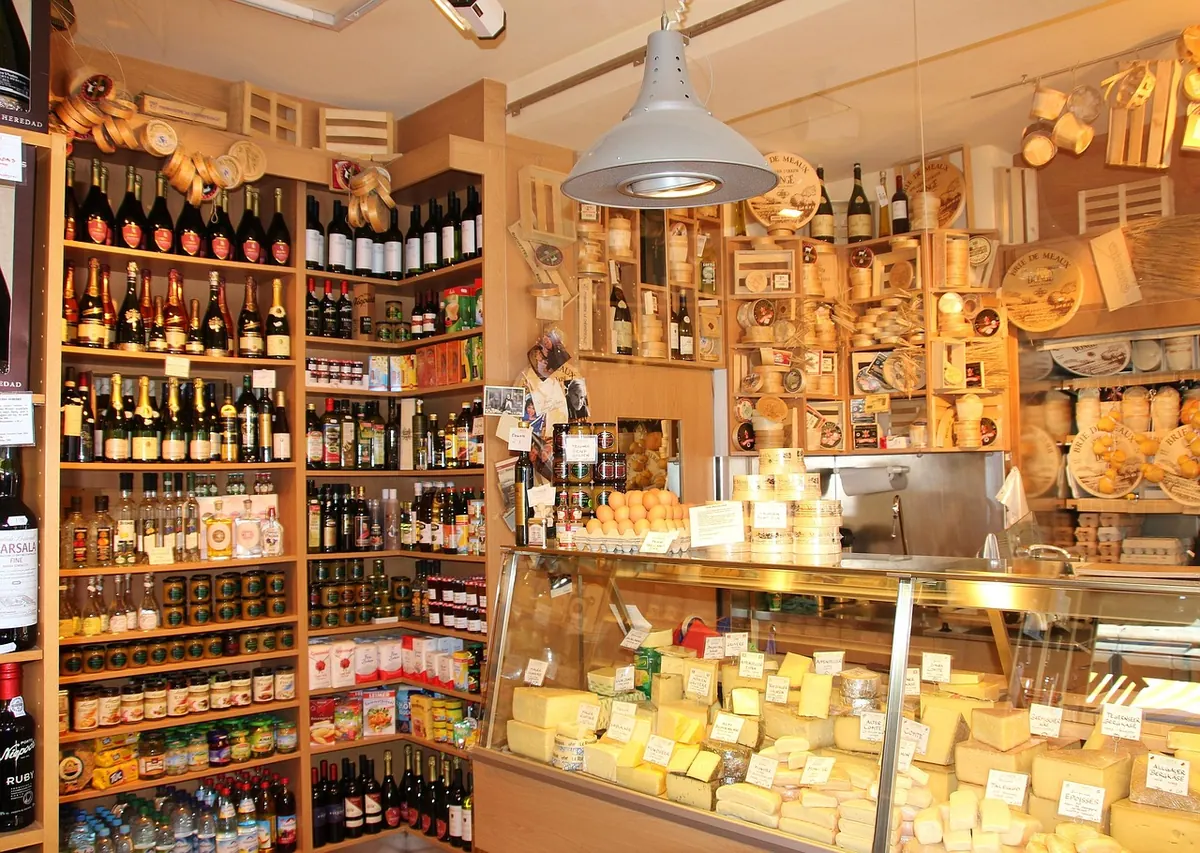
Pick the region first, and resist the urge to widen it. Choose eight to ten items that cover the six roles above, plus one accent. Buy the jars and dry goods at a market or a good deli where you can taste before you commit, and buy the cheese and cured meat last so they spend as little time out of the cold chain as possible. Take home one extra of anything you have not tried yourself.
Then pack it in the afternoon, shake it gently, and carry it once around the block before you hand it over. If it survives that, it will survive the journey — and it will still taste like somewhere specific when it is opened.
Photo: Dario Méndez / Pexels
You Might Also Like
A practical guide to building your own day route through local markets, small producers and craft workshops, with realistic timing, tasting tips and a schedule that survives real life.
Farmers markets win on freshness and producer contact; specialty shops win on variety, convenience and curation. Here is how to choose the right source for each purchase.