Seasonal Local Food Calendar: What to Buy Each Month in Italy
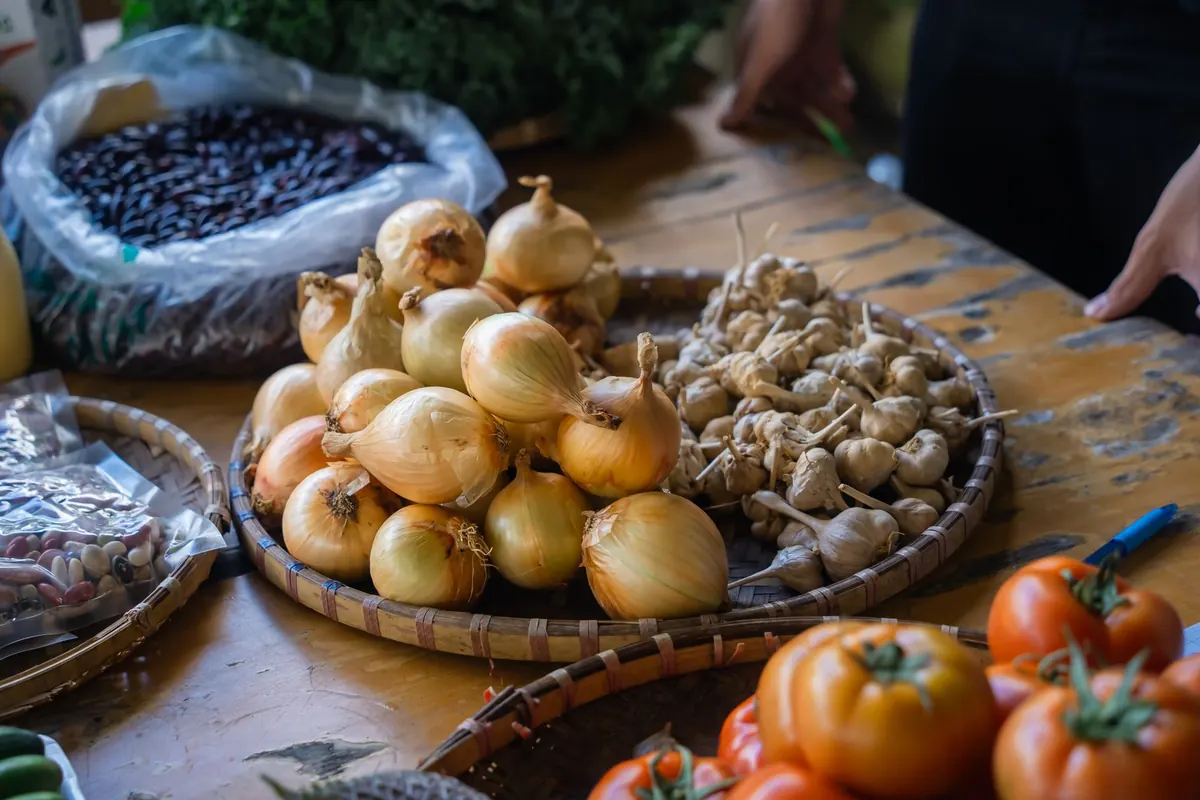
Italian markets do not run on one clock. In February, a stall in Palermo is stacked with blood oranges, late clementines and artichokes with long stems; the same week in Bolzano, the tables hold cabbage, apples, speck and jars of sauerkraut. That difference is the whole point. Italy is a long, mountainous, sea-wrapped country, and the calendar of what tastes good shifts by weeks as you move north, climb into the hills or turn inland. What follows is a month-by-month map of what to look for, organised around the produce that genuinely shows up on Italian market tables.
Read the Region Before You Read the Month
Treat any seasonal calendar as a frame, not a rulebook. The south warms earlier: the first fava beans and artichokes arrive in Sicily and Puglia while the Po Valley is still eating stored roots and cabbage. Altitude works in the other direction. A mountain market in Trentino will still have pumpkins and chestnuts when the coast has moved on to spring greens.
Two questions do most of the work at the stall: Di dove sono? (Where are these from?) and Sono di stagione? (Are they in season?). Vendors in Italy are rarely shy about answering, and a good one will happily tell you that the tomatoes are from a greenhouse in Sicily and will be worth buying in July instead. Greenhouses fill gaps all year; they do not fix flavour.
December to February: Citrus, Cabbages, and the Cold-Weather Kitchen
This is citrus season, and the south carries it. Blood oranges from the slopes around Catania — Tarocco, Moro, Sanguinello — run roughly from December into March, some varieties later. Clementines and mandarins peak around December and January; lemons, cedri and late oranges follow. Choose citrus that feels heavy for its size and smells of itself, and buy the ones with leaves attached when you can.
The greens that improve with frost
Cold does something useful to cabbages. A frost pushes cabbage, kale and cavolo nero to convert starch into sugar, which is why January greens taste sweeter than November ones. Look for cavolfiore in white, purple and Romanesco form, verza, broccoli, finocchio at its best in the colder weeks, radicchio di Treviso, and puntarelle, the chicory shoots that Romans dress with anchovy and garlic. Artichokes are everywhere: violetto types from Tuscany and Liguria, spinoso from Sardinia, and the round romanesco carciofo arriving towards March.
Winter is also the season for the pantry: dried beans and lentils, chestnuts, oranges turned into marmalade, and long-cooked dishes like ribollita, pasta e fagioli and bolliti. Buy dried legumes from a shop that turns them over quickly — old beans never soften properly.
March to May: The Market Turns Green
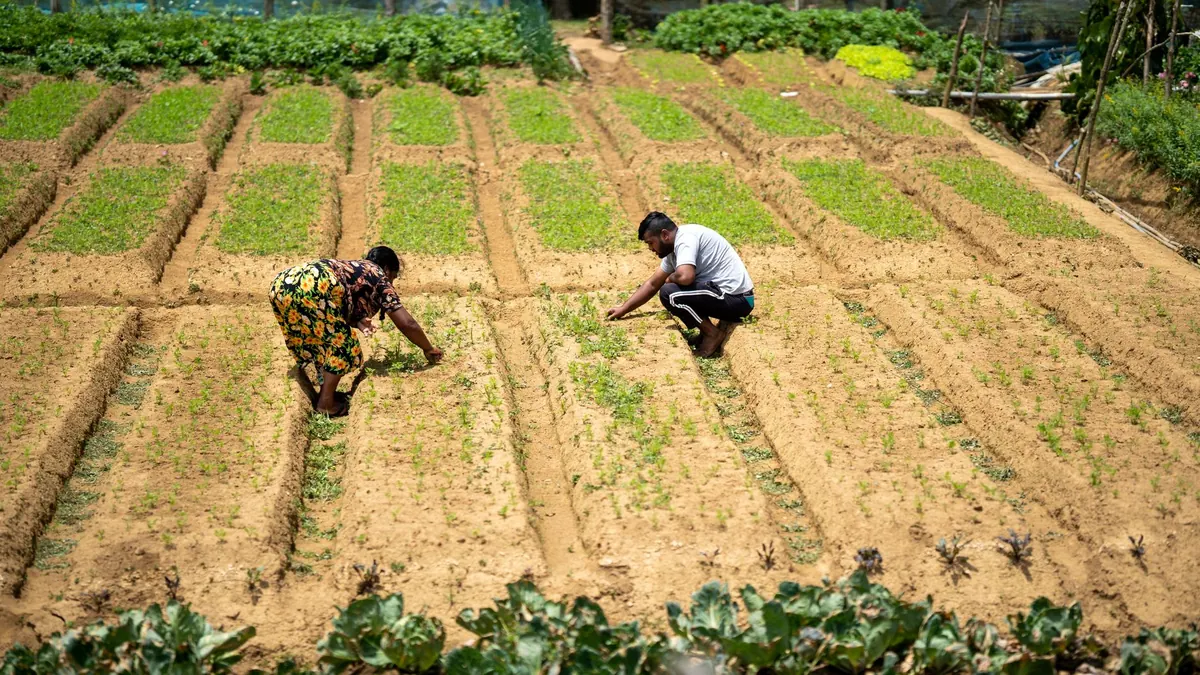
Spring arrives as a sequence of small events rather than one day. First come the artichokes in volume, then the first fava beans and peas from the south, then asparagus, agretti and strawberries. By late April the tables are crowded: puntarelle give way to tender spinach and chard, spring onions, tiny new potatoes, and the pale, thick asparago bianco di Bassano.
This is the season to shop often and buy small. A market in March looks nothing like the same market in May, and the difference is where the pleasure is. Buy fava beans in the pod and accept that shelling them is part of the recipe. Look for nespole in May, along with the first cherries from the south and, depending on the year, apricots.
Spring has its animal side too. Spring milk makes the year's freshest pecorino and ricotta, and many shepherds time their best cheeses to this period. If you eat lamb, Easter is the traditional moment.
June to August: Tomatoes and the Discipline of Buying Less
Summer is generous to the point of being distracting. Cherries finish, apricots and peaches arrive, then melanzane, peperoni, zucchine, fagiolini, cucumbers, basil, watermelons and melons. Figs appear towards late July and run into September. Nectarines and late peaches carry the heat.
And then the tomatoes. Peak season is roughly July and August, when San Marzano, cuore di bue, datterini and dozens of unnamed local varieties taste of the sun rather than of water. Buy them in quantity at the peak and make passata or peeled tomatoes for the winter; if you preserve, follow a tested recipe and keep the jars properly sterilised rather than improvising.
One counterintuitive summer rule: buy less, more often. Heat softens produce quickly, and a market basket left in a warm car undoes the whole morning. Go early, carry a cool bag, and plan to cook what you buy within two or three days.
September to November: The Harvest Months
Autumn may be the best season of all for market shopping, because the market moves from fresh and soft to sweet, earthy and storable.
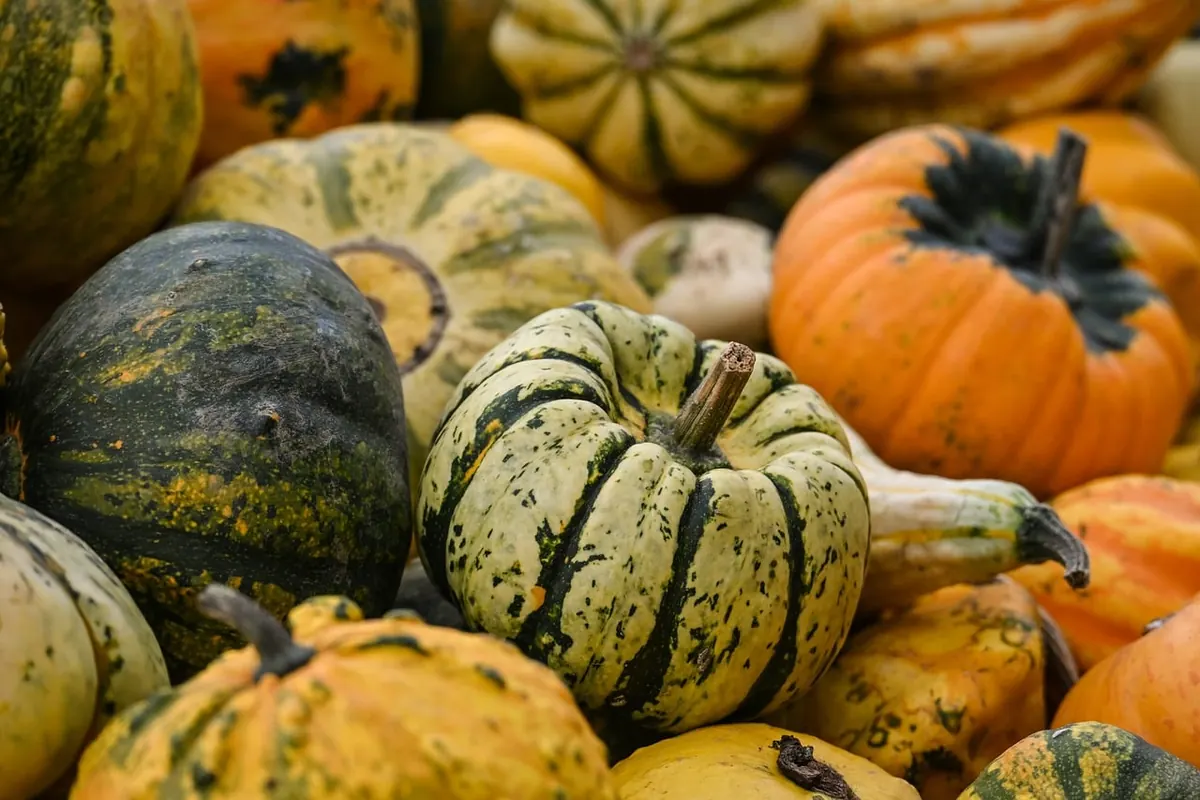
- September: grapes, figs, the first pumpkins, almonds, and mushrooms after rain — porcini if you are lucky and know a reliable seller.
- October: chestnuts, cachi, pomegranates, quince, the last tomatoes, and the white truffle season opening in Piedmont and elsewhere.
- November: new olive oil, the first citrus, cabbages and cardoons returning, and jars of mostarda appearing in the north.
Freshly pressed oil is worth seeking out and using quickly — it is at its most fragrant in the first months, and it is a different ingredient from the bottle you keep for frying. Chestnuts should feel heavy and firm, with no give at the stem end. Porcini deserve a sniff: they should smell of damp forest, not of the fridge.
Specialties That Keep Their Own Calendar
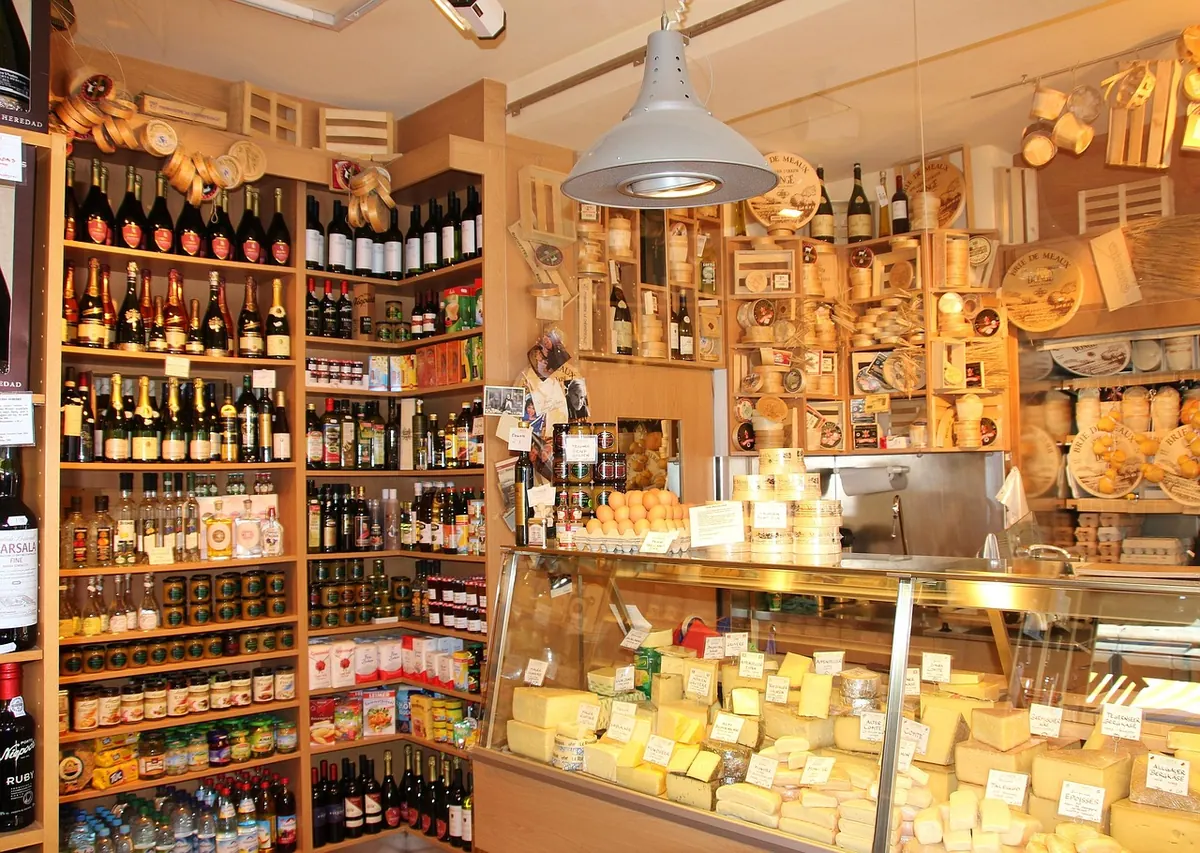
Some of the best things at an Italian market are not produce at all, and they follow their own rhythms. Honey is a good example: acacia in late spring, chestnut in summer, millefiori through the warm months. White truffles belong to autumn, black truffles to winter and spring in many areas. Cured meats and aged cheeses are available year-round, but the small producers' best work often appears in limited windows — spring-milk pecorino, autumn salumi made after the cold-weather slaughter, torrone and panforte in the winter months.
Ask what is new. A vendor who has just opened a jar of something or received a delivery that morning will tell you, and that conversation is worth more than any printed calendar.
A Practical Way to Shop the Calendar
You do not need to memorise twelve months of produce. Build the habit instead:
- Shop the same market two or three weeks running. The change between visits teaches you the season faster than any list.
- Buy one unfamiliar thing each trip and ask the vendor how they cook it.
- Let the stall set the menu. Choose vegetables first, then decide what goes with them.
- Expect the best quality and the lowest prices at the peak of each season, not at its edges.
- Preserve the surplus: passata in August, marmalade in January, dried beans and chestnuts in autumn.
Keep a short note on your phone of what you saw and what it cost. Within a year you will have your own local calendar — more accurate for your town than anything written in advance.
Photo: Alexas_Fotos / Pixabay
You Might Also Like
A practical guide to building your own day route through local markets, small producers and craft workshops, with realistic timing, tasting tips and a schedule that survives real life.
Farmers markets win on freshness and producer contact; specialty shops win on variety, convenience and curation. Here is how to choose the right source for each purchase.